


BLOG
Maintain your cycling posture to avoid back pain

May
Cycling is an excellent low-impact exercise that offers numerous health benefits, such as improving cardiovascular health, building strength and endurance, and reducing stress levels. However, it is crucial to maintain proper cycling posture to avoid discomfort and injuries, especially in the back and buttock area. In this article, we will discuss how to maintain your cycling posture to avoid back pain.
Common Cycling Posture Mistakes
Many cyclists make common posture mistakes that can lead to pain and injuries. Here are some of them:
Leaning too far forward
When you lean too far forward, you put excessive pressure on your wrists, arms, and shoulders, causing them to fatigue quickly. Moreover, leaning too far forward shifts your bodyweight to the front of the bike, which increases the pressure on your back and buttock muscles.
Arching the lower back
Arching the lower back is another common mistake that can lead to back pain. When you arch your back, you stretch the ligaments and muscles in your lower back, which can cause them to strain and become inflamed.
Pedaling with locked knees
Pedaling with locked knees can put unnecessary strain on your knee joints, leading to knee pain and injuries. Always ensure that you maintain a slight bend in your knees when pedaling to avoid knee pain.
Gripping handlebars too tightly
Gripping the handlebars too tightly can cause tension in your upper body and make your shoulders and neck muscles fatigue quickly. Moreover, gripping the handlebars too tightly can cause numbness in your fingers, hands, and arms.
Correct Cycling Posture
Maintaining proper cycling posture can help you avoid back and butt pain and prevent injuries. Here are some tips for maintaining the correct cycling posture:
Proper bike fit
Ensure that your bike fits you correctly. Your bike’s size, saddle height, and handlebar position should be adjusted to suit your body type and riding style.
Adjusting handlebar height
Your handlebar height should be adjusted to suit your riding style. If you ride in an upright position, your handlebars should be higher than your saddle. However, if you ride in a racing position, your handlebars should be lower than your saddle.
Keeping shoulders relaxed
Keep your shoulders relaxed and avoid tensing them. When your shoulders are relaxed, you allow your upper body to move freely, reducing the risk of pain and injuries.
Pedaling with a slight bend in the knees
Pedal with a slight bend in your knees to avoid putting excessive pressure on your knee joints. If your knees are fully extended when pedaling, it can lead to knee pain and injuries.
Shifting weight from the saddle to the pedals
Shift your weight from the saddle to the pedals by standing up and pedaling every few minutes. This helps to relieve the pressure on your back and buttocks muscles and prevent discomfort.
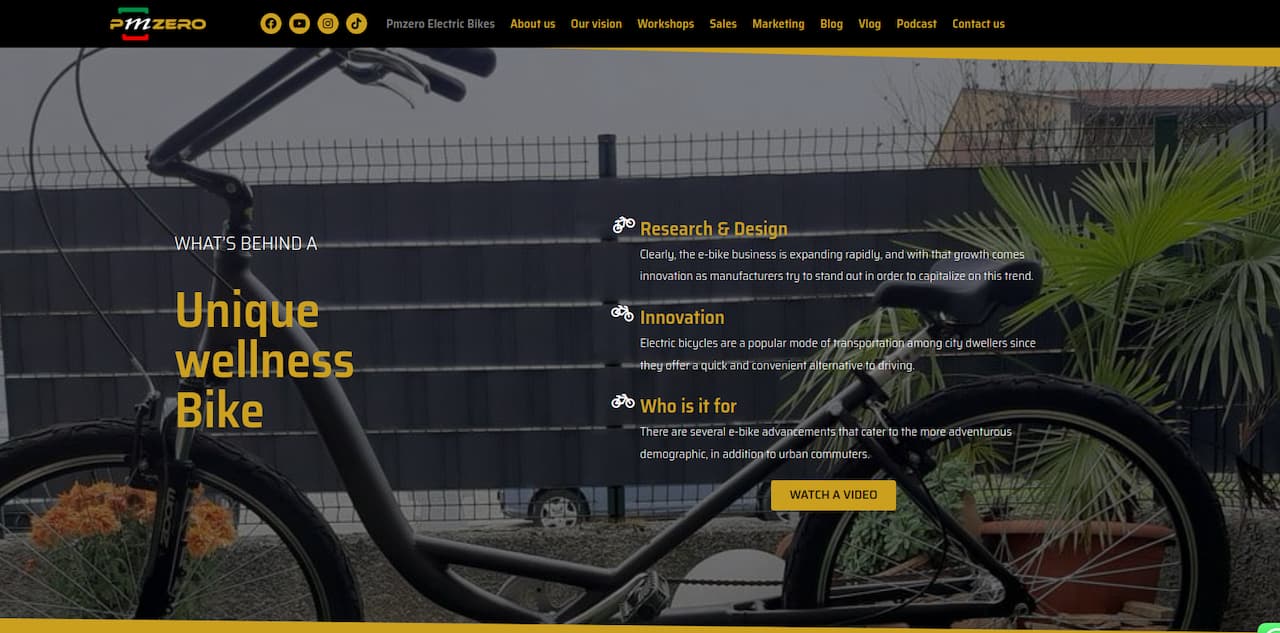
Try a “wellness bike”
The wellness bike is still a novelty and you don’t find many of them around but apparently people who have various problems of back pain, prostate or leg pain and have tried this kind of postural bike (ergonomic) agree that you can also ride for long periods of time without compromising the post-bike pain of the day itself and the day after.
Benefits of Proper Cycling Posture
Maintaining proper cycling posture offers numerous benefits, including:
Reduces back and butt pain
Proper cycling posture helps to distribute your bodyweight evenly and reduce the pressure on your back and buttocks muscles, preventing pain and discomfort.
Prevents injuries
Maintaining proper cycling posture can help prevent injuries such as back pain, knee pain, and shoulder pain.
Improves cycling efficiency
Proper cycling posture allows you to pedal more efficiently, reducing the amount of energy required and helping you ride longer and faster.
Enhances overall cycling experience
When you maintain proper cycling posture, you enjoy a more comfortable and enjoyable cycling experience, allowing you to focus on the scenery and your surroundings.
Tips for Maintaining Cycling Posture
Here are some tips for maintaining proper cycling posture:
Take breaks and stretch regularly
Take breaks and stretch regularly to relieve the pressure on your muscles and joints and prevent fatigue.
Gradually increase cycling intensity
Gradually increase your cycling intensity and duration to allow your body to adapt to the new demands and prevent injuries.
Listen to your body
Pay attention to your body’s signals and adjust your posture and cycling technique accordingly.
Incorporate strength and flexibility exercises
Incorporate strength and flexibility exercises into your training routine to improve your posture, prevent injuries, and enhance your overall cycling performance.
Invest in a quality bike seat
Invest in a quality bike seat that provides proper support and cushioning to avoid discomfort and pain.
Conclusion
Maintaining proper cycling posture is crucial for preventing back and butt pain and injuries and enjoying a comfortable and efficient cycling experience. By following the tips outlined in this article, you can avoid common posture mistakes and ride with proper technique and posture.

He is one of the most appreciated experts in Effective and Persuasive Communication and one of the few teachers of Public Speaking that constantly continues the activity of presenter.